Now Reading: Markets Brace For High Stakes Week As Political And Economic Data Converge
-
01
Markets Brace For High Stakes Week As Political And Economic Data Converge

Markets Brace For High Stakes Week As Political And Economic Data Converge

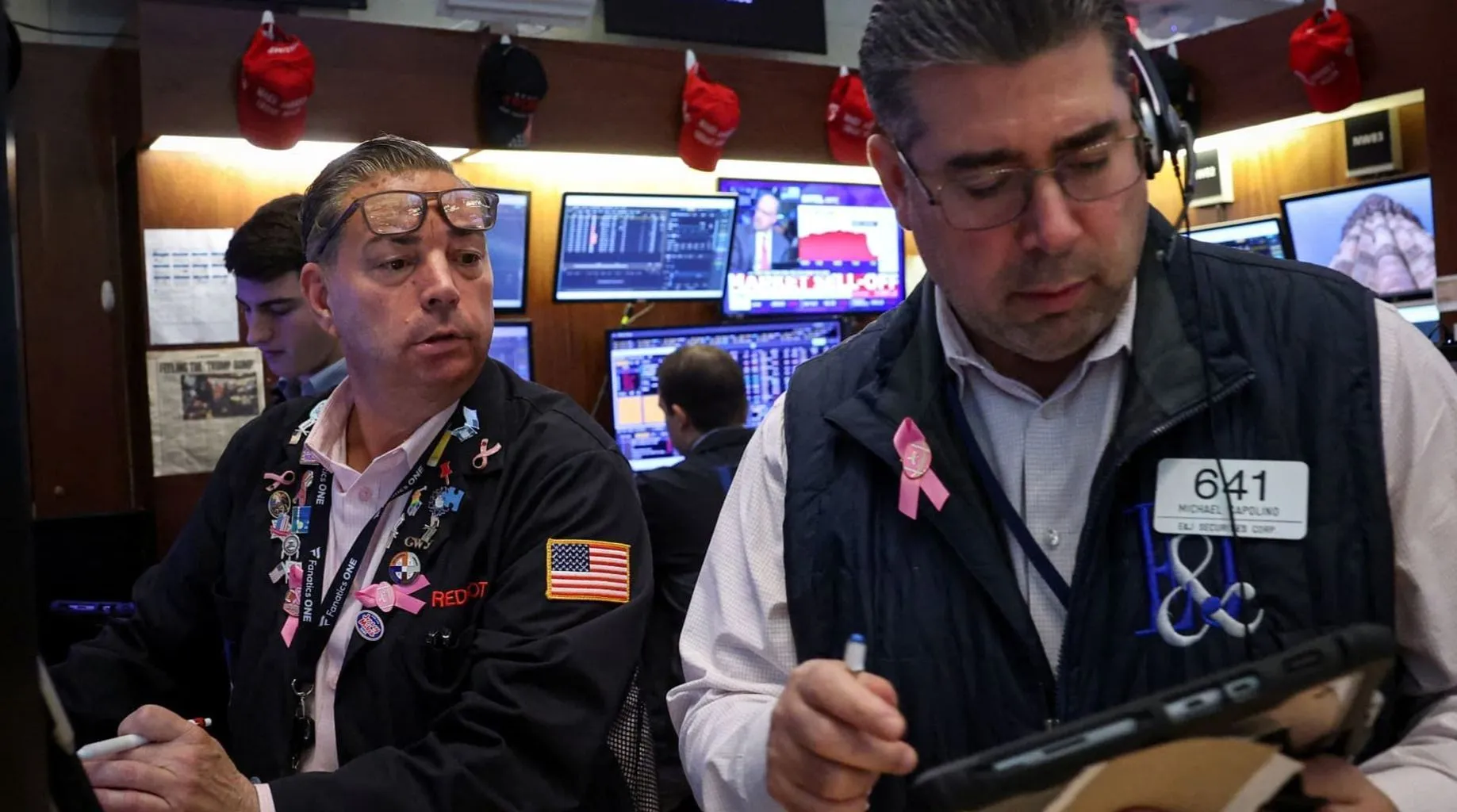
Wall Street is looking for a rebound this week after a bruising stretch for technology stocks dragged the major indices lower. Despite the recent slump, stock futures ticked higher on Sunday evening, suggesting that investors are attempting to shake off last week’s volatility. The dip was largely driven by skepticism surrounding artificial intelligence spending, particularly after Alphabet and Microsoft issued cautious capital expenditure forecasts that spooked traders who had previously been riding an AI gold rush.
While the Nasdaq continues to feel the heat from these technical corrections, analysts suggest the underlying fundamentals of the AI trade remain intact. Some experts argue that investors aren’t abandoning growth but are simply diversifying their portfolios into safer havens like healthcare. This rotation helped the Dow hold its ground even as tech giants stumbled throughout October, indicating a broader shift toward defensive positioning rather than a total market panic.
The coming days present a gauntlet of catalysts that could swing sentiment in either direction. All eyes are on Tuesday’s midterm elections, where uncertainty over Senate control persists despite expectations that Democrats may seize the House. While political shifts often create short term nerves, historians and strategists remind investors that markets typically remain resilient regardless of which party holds the gavel in Washington.
Beyond politics, corporate earnings and labor data will provide critical clues about the economy’s health. Tech heavyweight Apple kicks off a busy reporting cycle on Monday afternoon, followed by updates from McDonald’s and Qualcomm later in the week. To cap it all off, Friday’s nonfarm payrolls report will reveal whether job growth is slowing, with economists currently anticipating a modest increase of 55,000 positions. Meanwhile, energy markets have seen oil prices slip slightly following a massive rally in October, reflecting a general sense of caution across global asset classes.